LANGUAGE DEVELOPMENT

Language is an extremely powerful tool that allows people to communicate their thoughts and feelings to the world. Communication is essential and it helps us develop relationships with others. Learning language starts in the womb, where babies can hear their moms voice and continues throughout their early and late childhood years.
There are for basic components of language. The first is phonology. Phonemes are the sort sounds that letters make. The second component is Semantics. Semantics involves vocabulary and the meaning of a large number of words. The next component is syntax. With syntax, a child learns the rules for creating sentences. The last component would be the pragmatics of language. Pragmatics set the context for which communication takes place and lets the individual determine how they should effectively communicate in that situation.
Language Development Milestones

Activities to Encourage Language Development
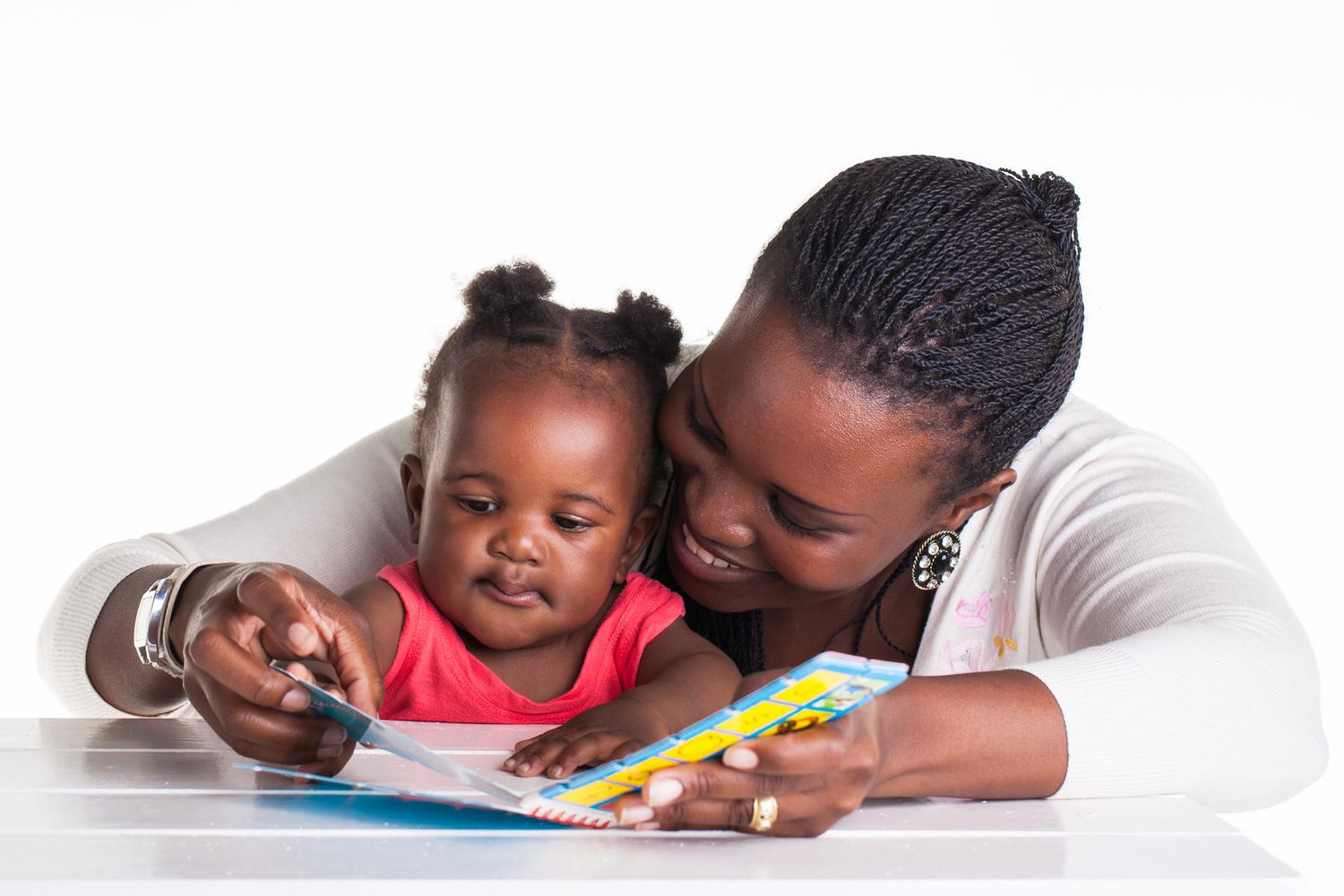
There are many ways that parents can help their children properly develop language. For babies, parents should make short sounds such as "ma" and "da" and wait to see if the baby will repeat it back. It is beneficial to encourage babies to imitate sounds and gestures from their caregiver. It is very important to always talk to children, no matter the age. Even if the child cannot effectively communicate back, hearing other people speak the language is a way for them to learn. It is also good to read to children from an early age. When reading, the parent can ask questions to their child about the book and discuss it together. Children should be given feedback and be corrected when they mispronounce a word. Parents can also often ask their child about how their day was and listen to them while they describe all the details of their day.
Development of a Second Language
Children should be encouraged to learn a second language, especially if the family speaks a different language other than English. Even though at first it might be a bit difficult for a young child, knowing two languages can actually help them perform better in school and is a great tool they can use in real life. There are different ways caregivers can help children assimilate two languages better, such as using only one language at home and waiting for them to learn the other in school, or assigning one language to each caregiver and that caregiver will only speak their assigned language to and around the child.
Recognizing Signs of Language Delay
There are several signs that can let the caregiver know that their child might have a speech or language delay. Some signs include not babbling or not using gestures by 15 months. If less than half of the child's speech can be understood by age 2, that could also be a sign. A child's lack of attention and focus, if the child's vocabulary seems to be limited and they aren't being very social with peers.
Seeking Help
If you think your child might have a language delay, it is important to see a speech-language pathologist (SLP). A speech therapist will be able to asses your child's language skills and determine whether or not they are behind other children their age. If the therapist sees it fit, they might recommend speech therapy. Speech therapy will be beneficial for those children who need it as it will help them understand language and express themselves.

Comments
Post a Comment